Start with the right mindset
Think of gambling the way you think of a cinema ticket or a meal out: money you spend on entertainment and do not expect to get back. Any win is a bonus. Once you see it that way, setting a budget stops feeling like a restriction and becomes part of the fun.
The 4-step budget method
- Work out your spare money. After rent, food, bills, family support and savings, what is left for leisure this month?
- Take a slice for gambling. Choose an amount you would be genuinely fine losing — many people pick 10–20% of their leisure money.
- Split it into sessions. If your monthly budget is ৳2,000 and you play four times, each session gets ৳500.
- Choose a stake size. Keep single bets to around 2–5% of the session budget so one bad result does not end the session.
| Item | Amount |
|---|---|
| Monthly budget | ৳2,000 |
| Sessions per month | 4 |
| Budget per session | ৳500 |
| Typical stake (4%) | ৳20 |
Budget your time, too
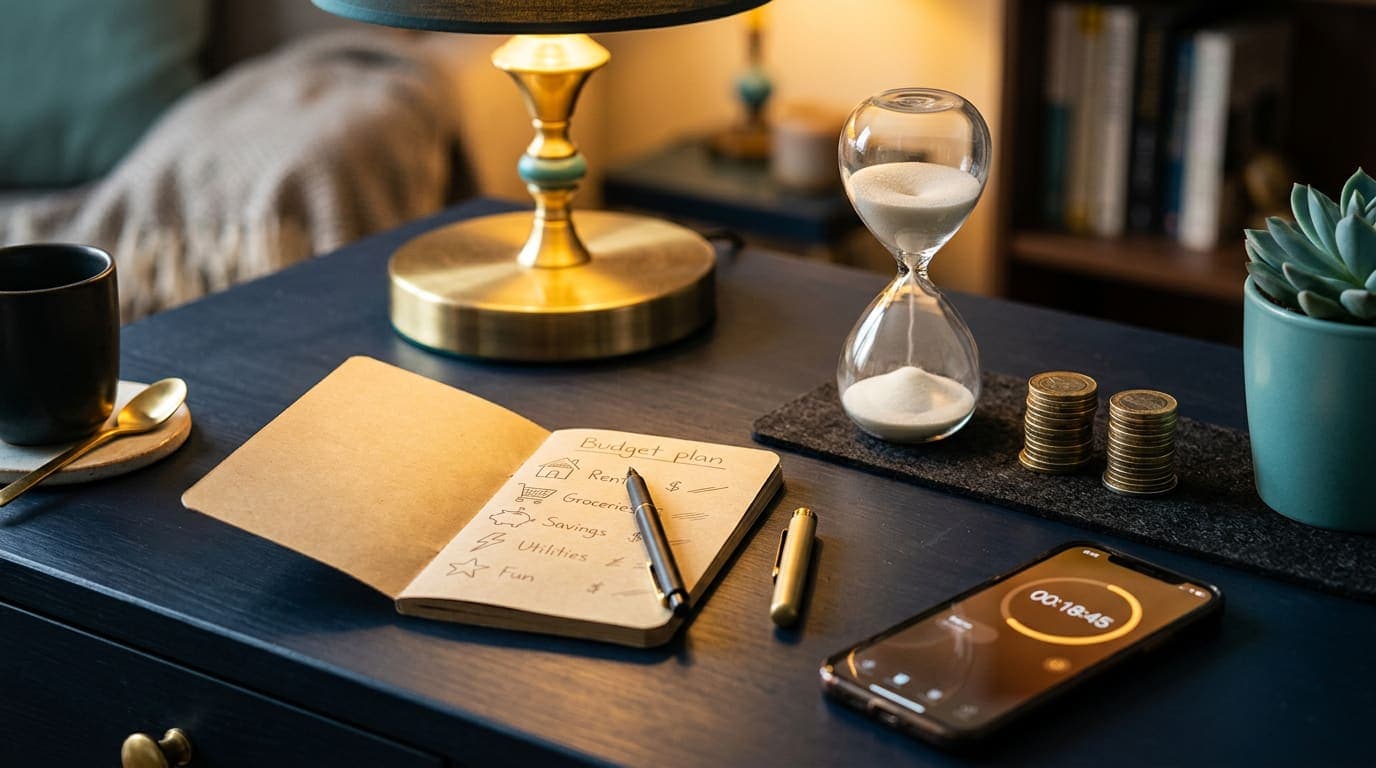
Fast games like Aviator and slots can fit hundreds of rounds into an hour. Set a timer on your phone for each session — 30 to 60 minutes is plenty — and stop when it rings, whether you are up or down.
Rules that make the budget stick
- Never top up mid-session after the session budget is gone.
- Withdraw part of any big win straight away instead of playing it back.
- Do not gamble when you are angry, stressed, tired or have been drinking.
- Never borrow money, use bill money or sell things to fund gambling.
- Keep your deposit history visible — it is an honest record of what you spend.
Withdrawing wins is part of the plan. Our withdrawal guide explains how to cash out to bKash, Nagad, Rocket or USDT.
Warning signs to take seriously
Time for a break if…
You are chasing losses, hiding gambling from family, spending more than you planned most weeks, or feeling anxious when you are not playing.
If any of these sound familiar, stop for a while and talk to someone you trust. Our responsible gaming page lists practical tools such as deposit limits, cool-off periods and self-exclusion.